
On this page
Key takeaway
Approve a compliance document only for the legal entity, site, product, component, material, date, and regulatory scope that the document actually identifies.
Start with the claim you need to verify
A compliance file is useful only when it answers a defined sourcing question. An ISO certificate evaluates a management system, a RoHS report addresses restricted substances under a stated test or declaration scope, and a material certificate describes a particular resin, ferrule, metal part, or other input. These documents are related, but they are not interchangeable.
Before reviewing files, write down the product, component, material, market, customer requirement, and approval decision involved. This prevents a general company document from being accepted as proof for a specific cable assembly or connector component.
Read the scope before the certificate title

A familiar logo or standard number can distract from the most important field: scope. For a management-system certificate, read the activities, products, and sites covered. For a chemical or material report, confirm the tested sample, model, color, supplier, material grade, and referenced regulatory list.
Do not extend evidence beyond its written boundary. A report for one PBT housing grade does not automatically cover every adapter housing, every colorant, or an assembled connector. A certificate for one factory does not automatically cover a different production site.
Build traceability from material to finished product
The difficult part of compliance review is often not reading a report; it is proving that the report belongs to the material used in the delivered product. A controlled bill of materials should connect the finished-product part number to component part numbers, approved suppliers, material grades, drawings, and relevant declarations or test reports.
When several suppliers or equivalent materials are approved, each option needs its own evidence or a documented rationale showing why the evidence applies. Procurement substitutions must follow change control, because an unrecorded change can break an otherwise complete compliance chain.
- Finished-product part number and drawing revision.
- Component name, supplier part number, and material grade.
- Applicable report, declaration, or certificate number.
- Approval status, review date, and next review date.
- Substitution and engineering-change records.
Separate RoHS, REACH, safety data, and flammability evidence
RoHS evidence addresses restricted substances for electrical and electronic equipment under a stated scope. REACH documentation commonly addresses candidate-list substances and communication obligations. A safety data sheet describes hazards and handling for a chemical or material, while a UL recognition or flammability record addresses a different safety characteristic. One document should not be used as a substitute for all the others.
Requirements also change over time. Record the regulation, candidate-list date, exemptions, thresholds, and customer-specific restrictions used for the decision. A statement that simply says “compliant” without naming its basis is weak evidence for a controlled approval record.
Treat test reports and supplier declarations differently
A laboratory test report records results for the samples received by that laboratory. A supplier declaration states responsibility for a broader product or material scope. Both can be useful, but their strength depends on sample identity, laboratory competence, test method, reporting limits, supply-chain controls, and how the tested sample relates to ongoing production.
For purchased components, combine documentary evidence with supplier qualification and change-notification requirements. For higher-risk or customer-critical materials, define whether periodic retesting, batch evidence, or independent verification is necessary.
Use a repeatable approval checklist

A consistent review sheet makes approvals auditable and reduces dependence on individual memory. Record what was reviewed, what remains open, who accepted the evidence, and whether approval is unrestricted, conditional, temporary, or rejected.
- Does the document answer the exact requirement being reviewed?
- Are the entity, site, product, component, and material scope clear?
- Can the document be connected to the current bill of materials?
- Are the issue date, expiry date, revision, and regulatory basis current?
- Are exclusions, exemptions, colors, grades, or model limitations recorded?
- Is verification or follow-up evidence still required?
- Is the next review date assigned to an owner?
Maintain a controlled compliance index
Store approved documents in a searchable index rather than a folder of unexplained files. Each record should include a title, document type, applicable product or material, supplier, issuer, date, expiry, revision, status, language, and controlled file link. Retain superseded versions when traceability to earlier production is required.
CAIVALE’s current local evidence library includes ISO certificates and component-level material, RoHS, REACH, safety-data, and UL-related files for selected LC and SC components. These files can support only the entities, sites, materials, models, and dates stated in each document; they should not be generalized to every CAIVALE product.
Related products
These product families are relevant when turning the article guidance into a defined cable configuration.
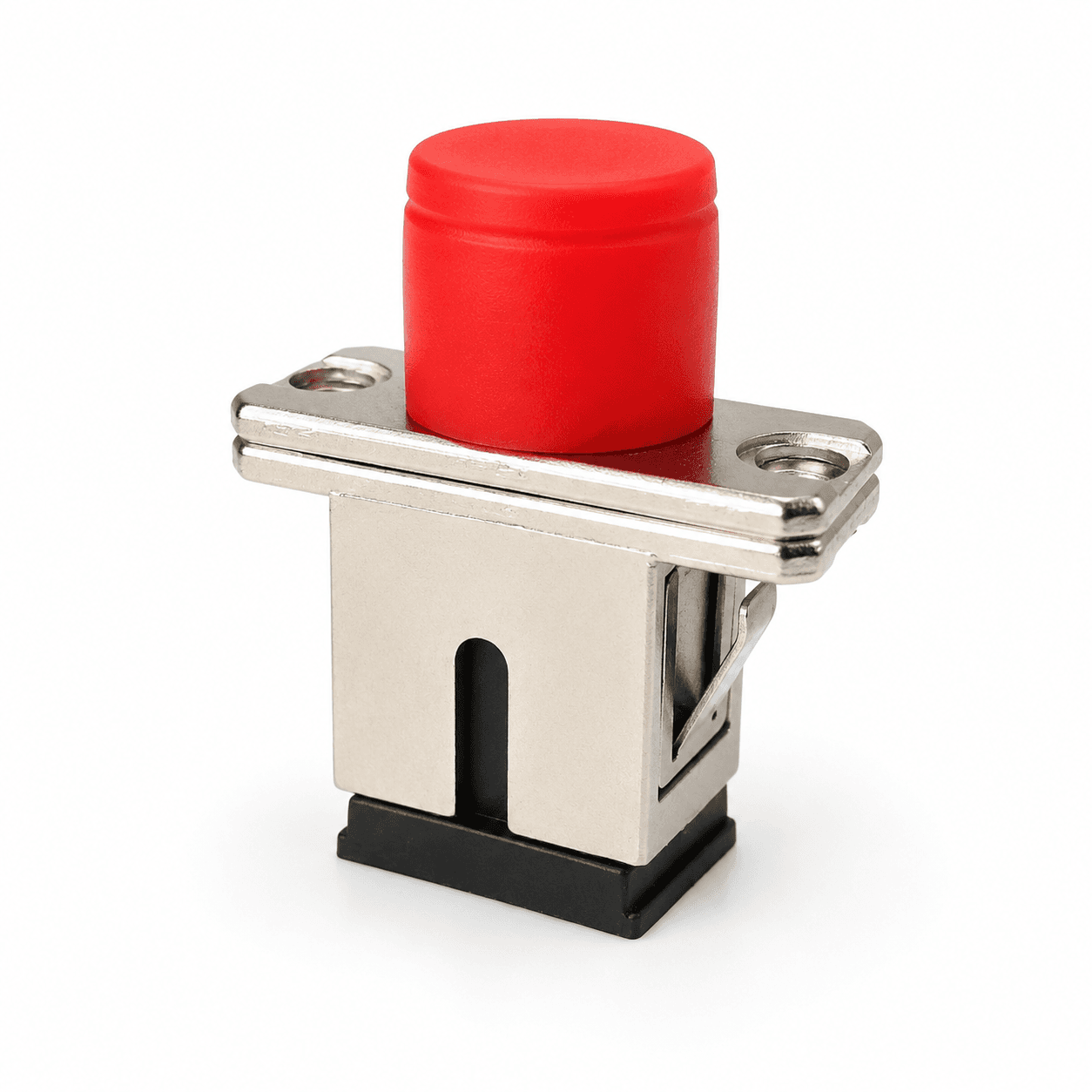
LC Fiber Optic Connector
Compact LC connectors for high-density singlemode and multimode assemblies.
SC Fiber Optic Connector
Push-pull SC connectors for telecom, FTTH, CATV, and optical distribution links.
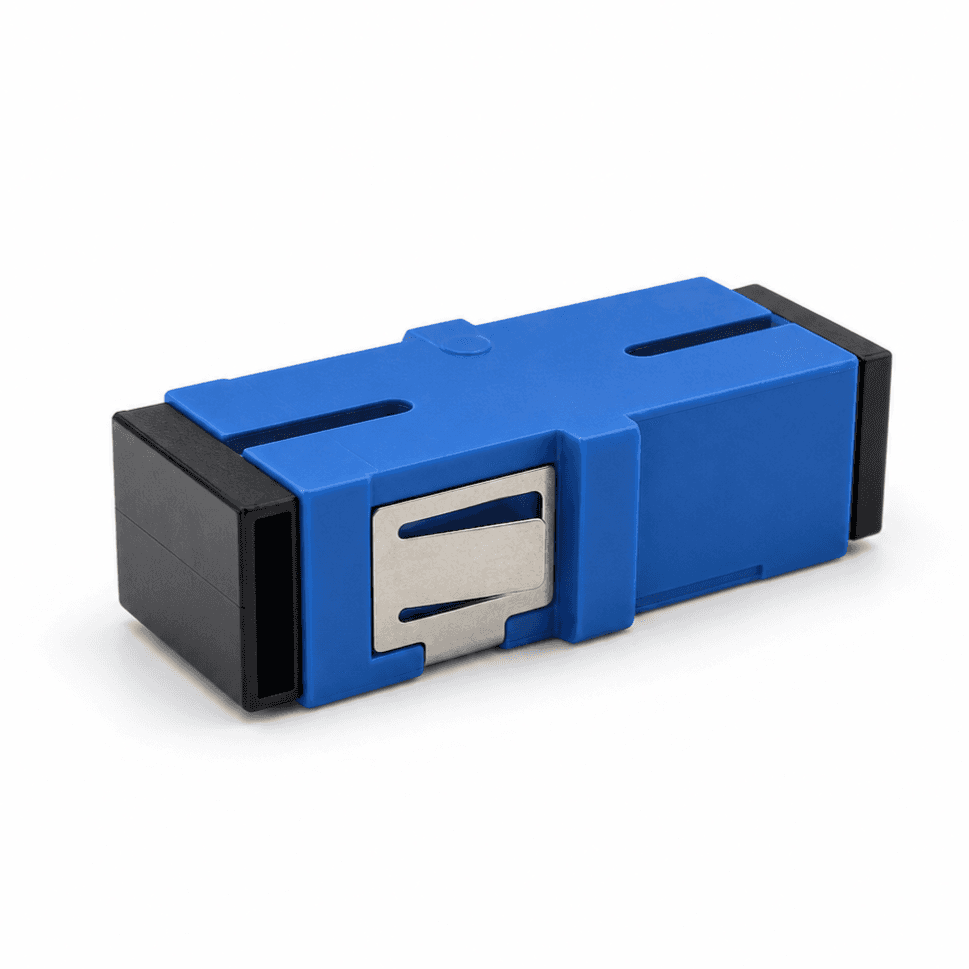
SC Fiber Optic Adapter
SC simplex and duplex adapters for telecom, ODF, FTTH, and equipment connections.
Topics
References and supporting material
- CAIVALE local evidence library: ISO-2024 certificates and selected LC/SC component compliance files.
- CAIVALE local evidence library: component material certificates, RoHS, REACH, SDS, and UL-related records.
- LC Simplex 0.9mm Low-Loss Connector Drawing (PDF)
- SC Simplex 3.8mm Backpost Connector Drawing (PDF)
- Browse all CAIVALE product drawings
Need help confirming a fiber specification?
Contact Engineering